

 Start Read
 Recommend
A bright, colorful scene with children from different backgrounds holding hands in a circle, looking up towards a shining light or rainbow in the sky.

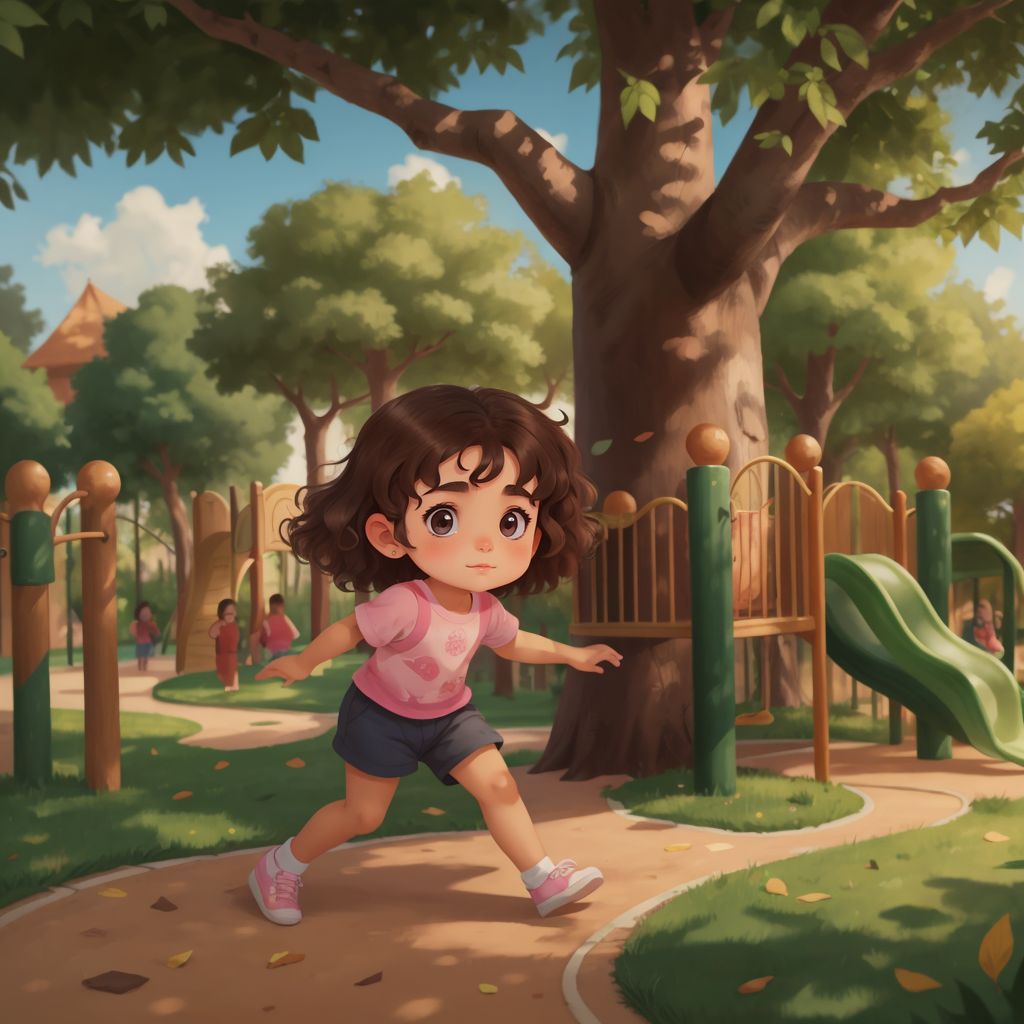
Gracie is a black dog and Cassie is Grey dog. They go a walk to the beach. They play with a ball and run into the sea and enjoy jumping over the waves. They love sniffing and running and meeting other dogs and like to play chase.
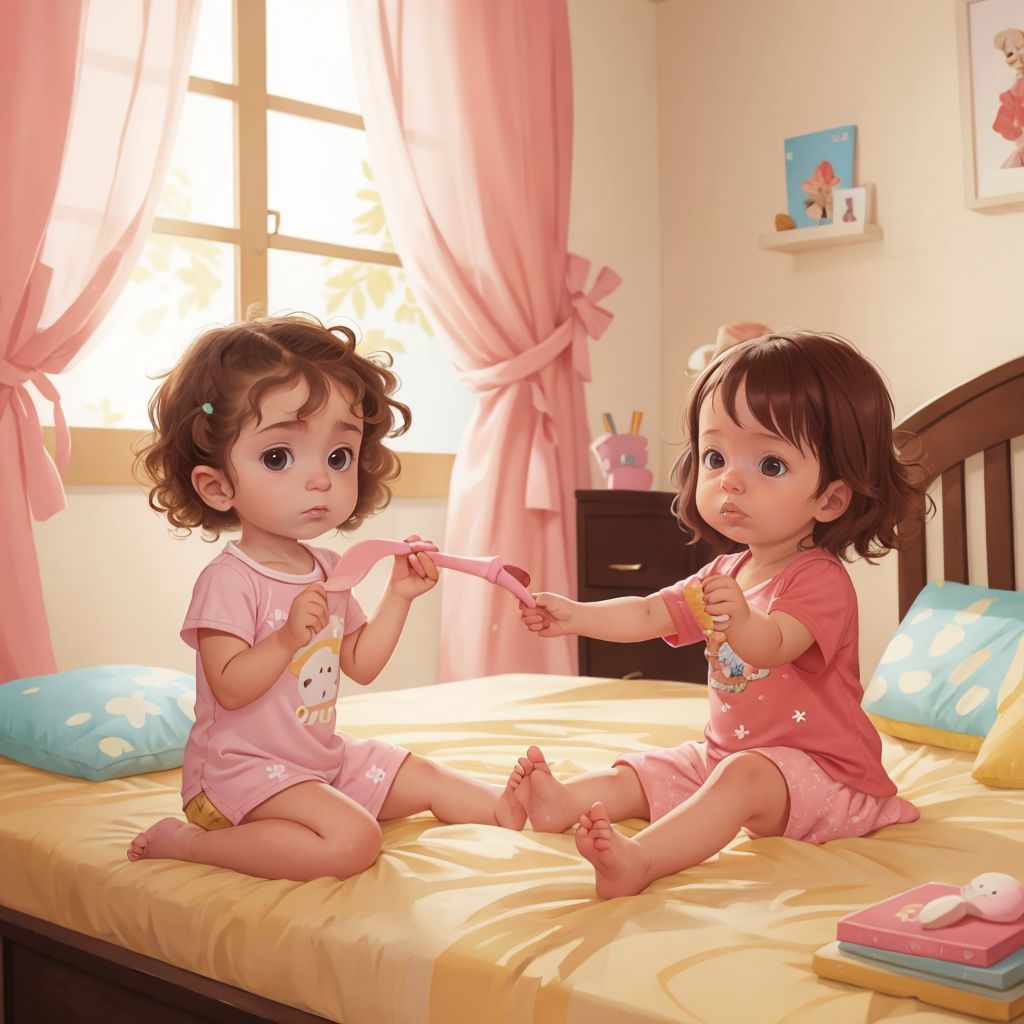
There is two sisters. They do everything together. Play games and laugh.
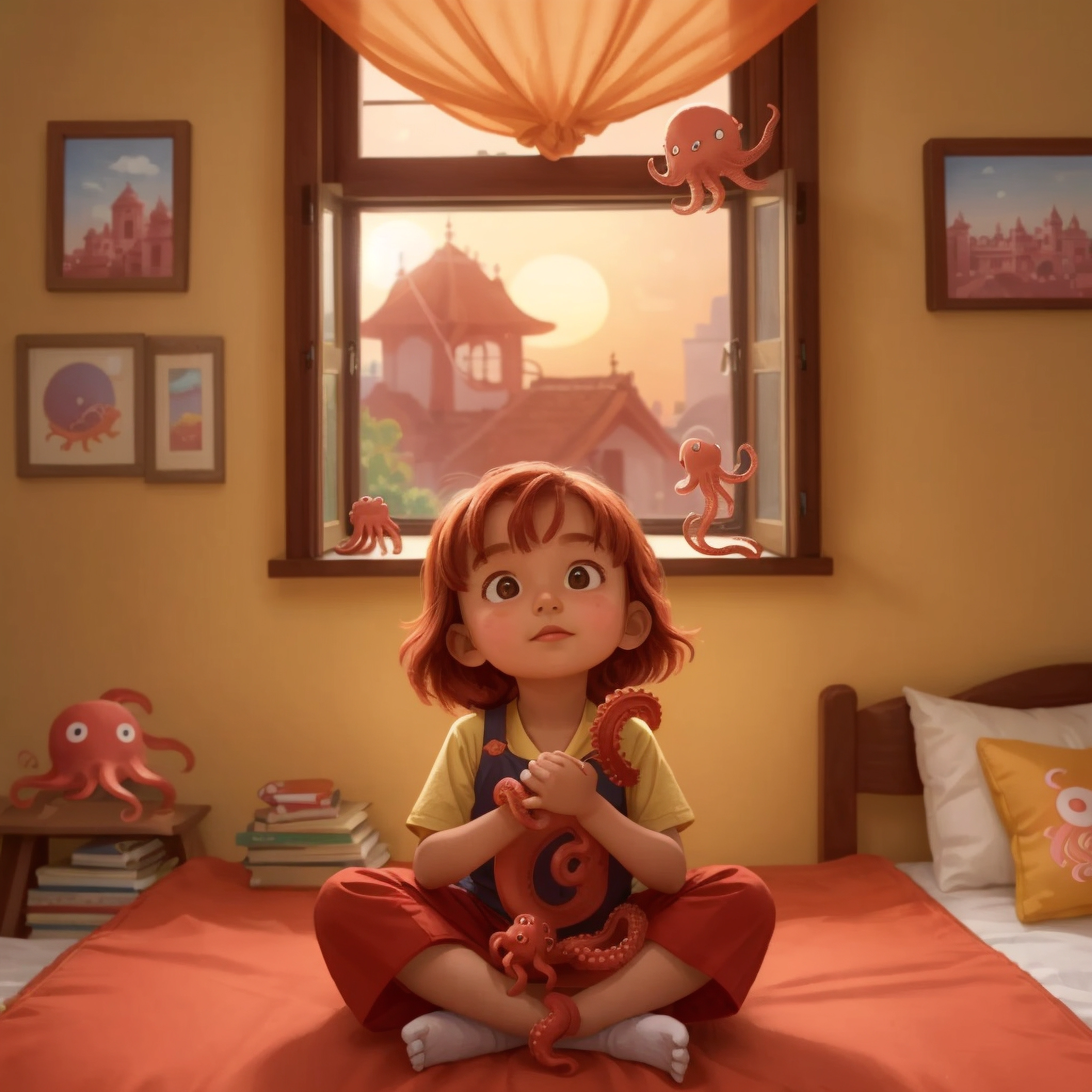
Huvudkaraktären heter Vilja. Hon har en nyfiken igelkott som husdjur som följer henne vart hon än går. Hon är en halvgalen uppfinnare i hemlighet. När hennes mamma elinova jobbar på sina uppfinningar på vinden om dagarna ger sig Vilja ut för att hjälpa andra i knipa. Hon är ett kreativt och modigt barn som hjälper andra med hjälp av sina uppfinningsrika idéer.
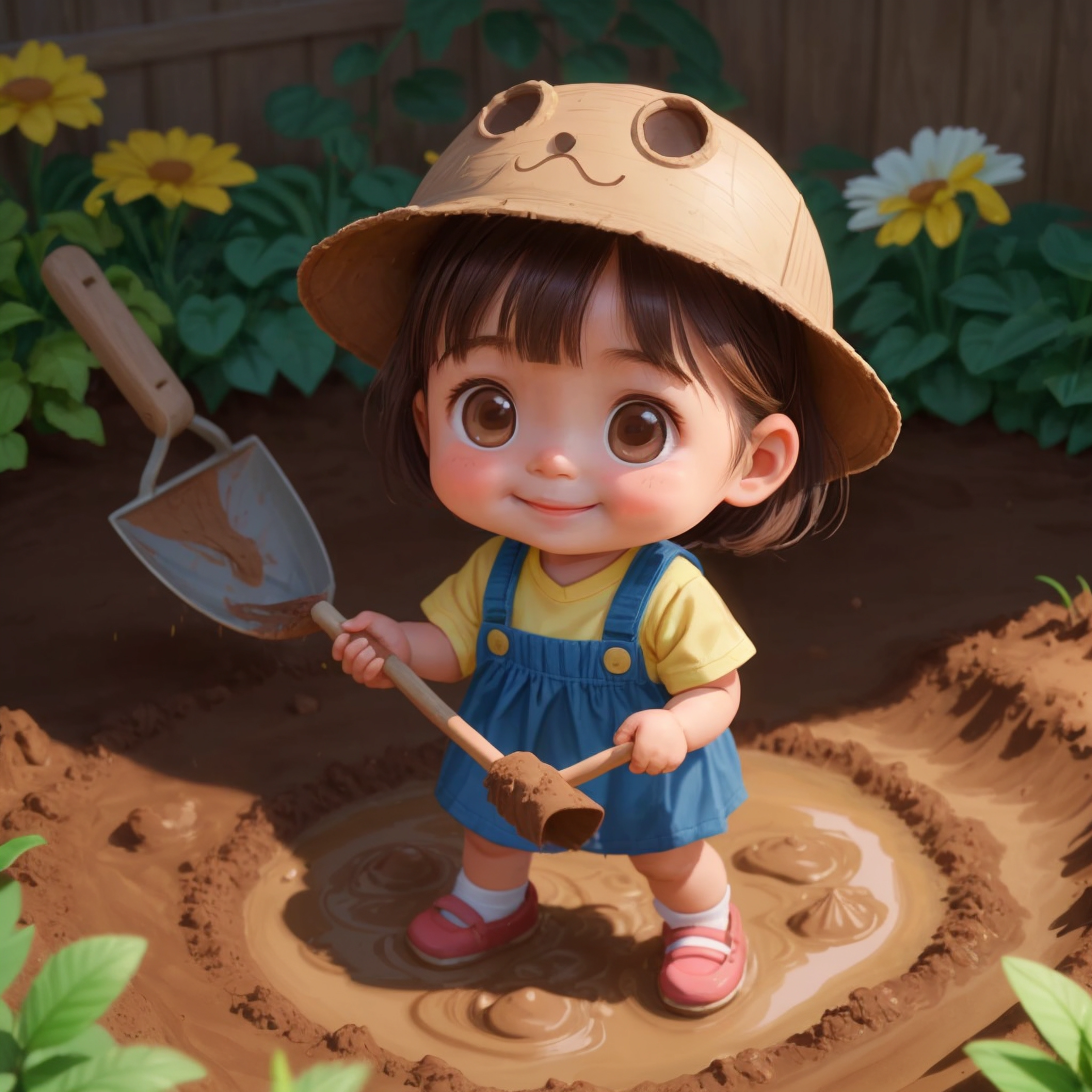
Twins Emma and Ethan learn life skills at home with their parents
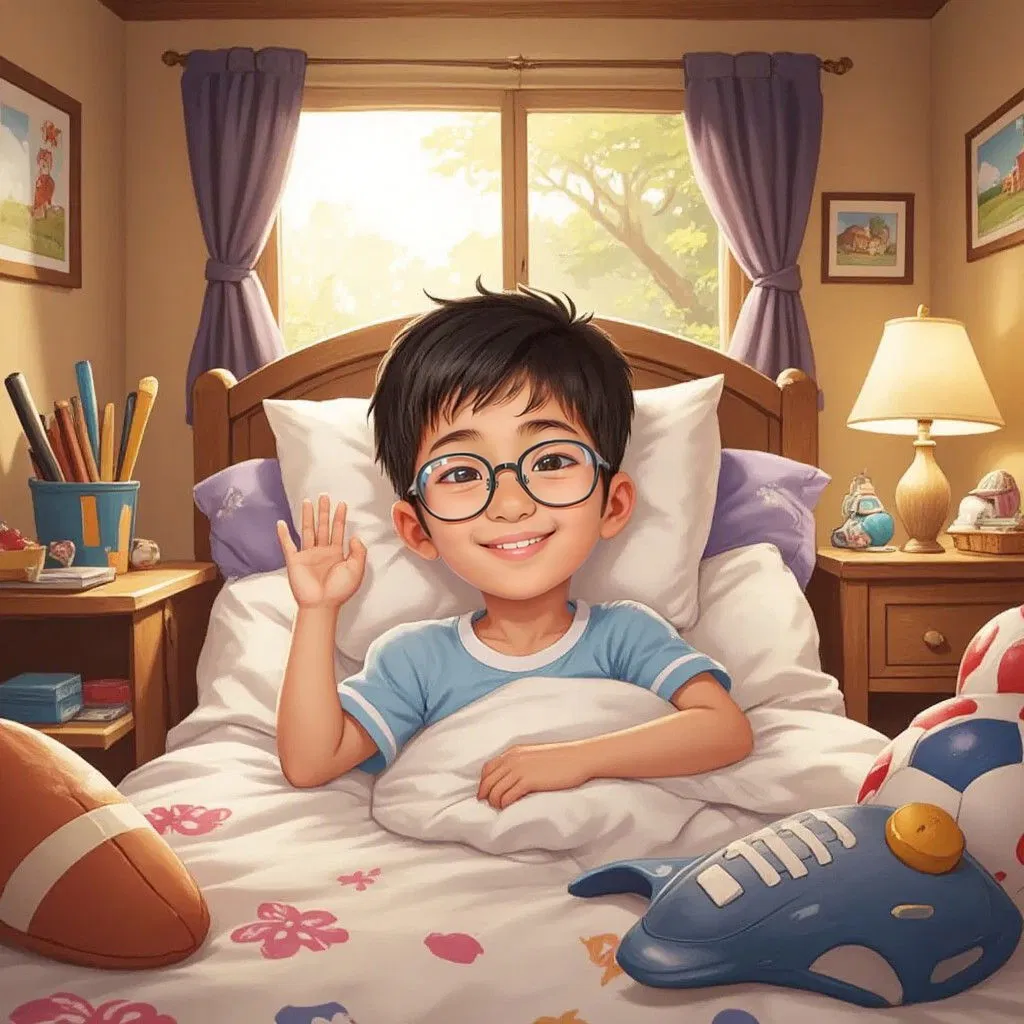
baraa is a boy who loves football and yoga and riding horses baraa wears eyeglasses he loves his mom narjes
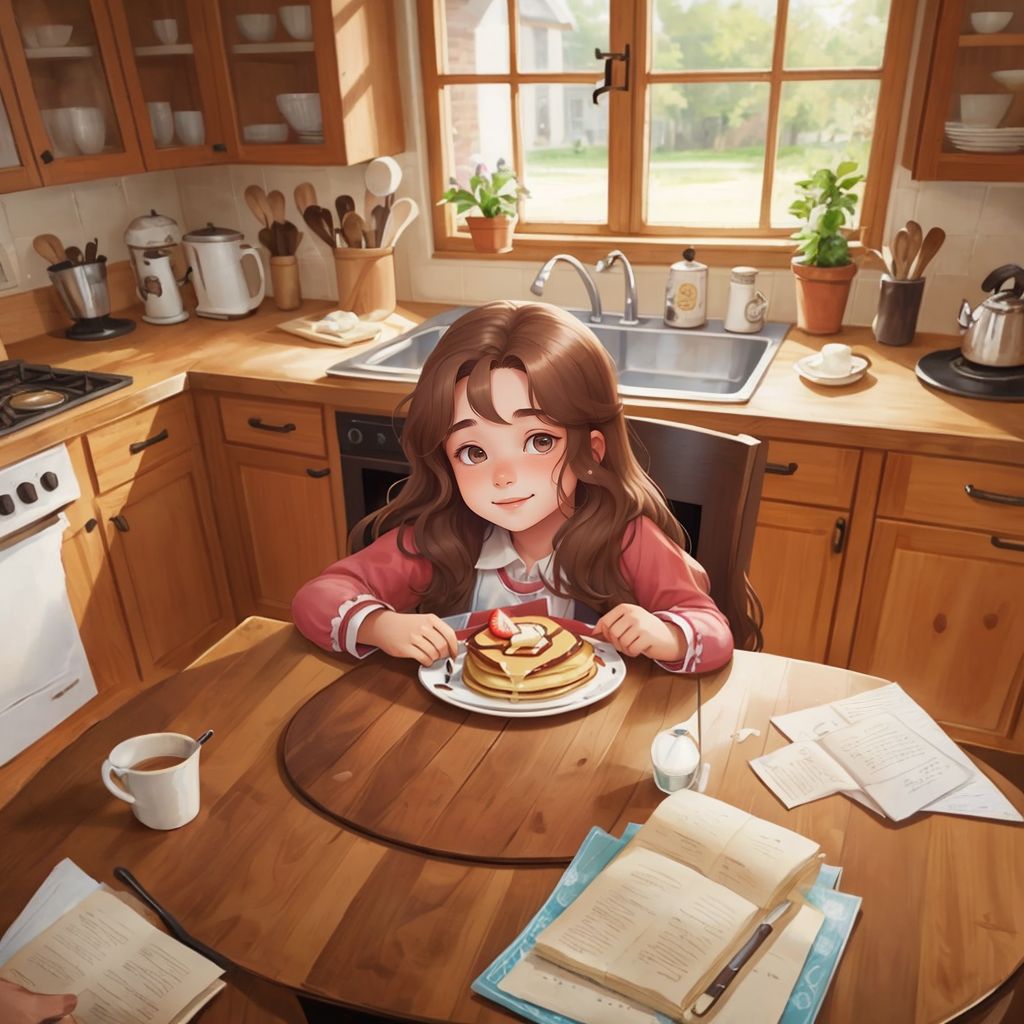
the girl wakes up at 8 o'clock She has her breakfast She gets dressed she leaves home at 8.40 she goes to school at 8.50 her lessons starts at 9 oclock at school she is a hardworking student her friends like her she comes home at 4 o'clock she has dinner with her dad and mom at 6 oclock she does homework at 7 oclock she watches tv for half an hour she reads book for one hour she helps her mom she goes to bed at 10 oclock
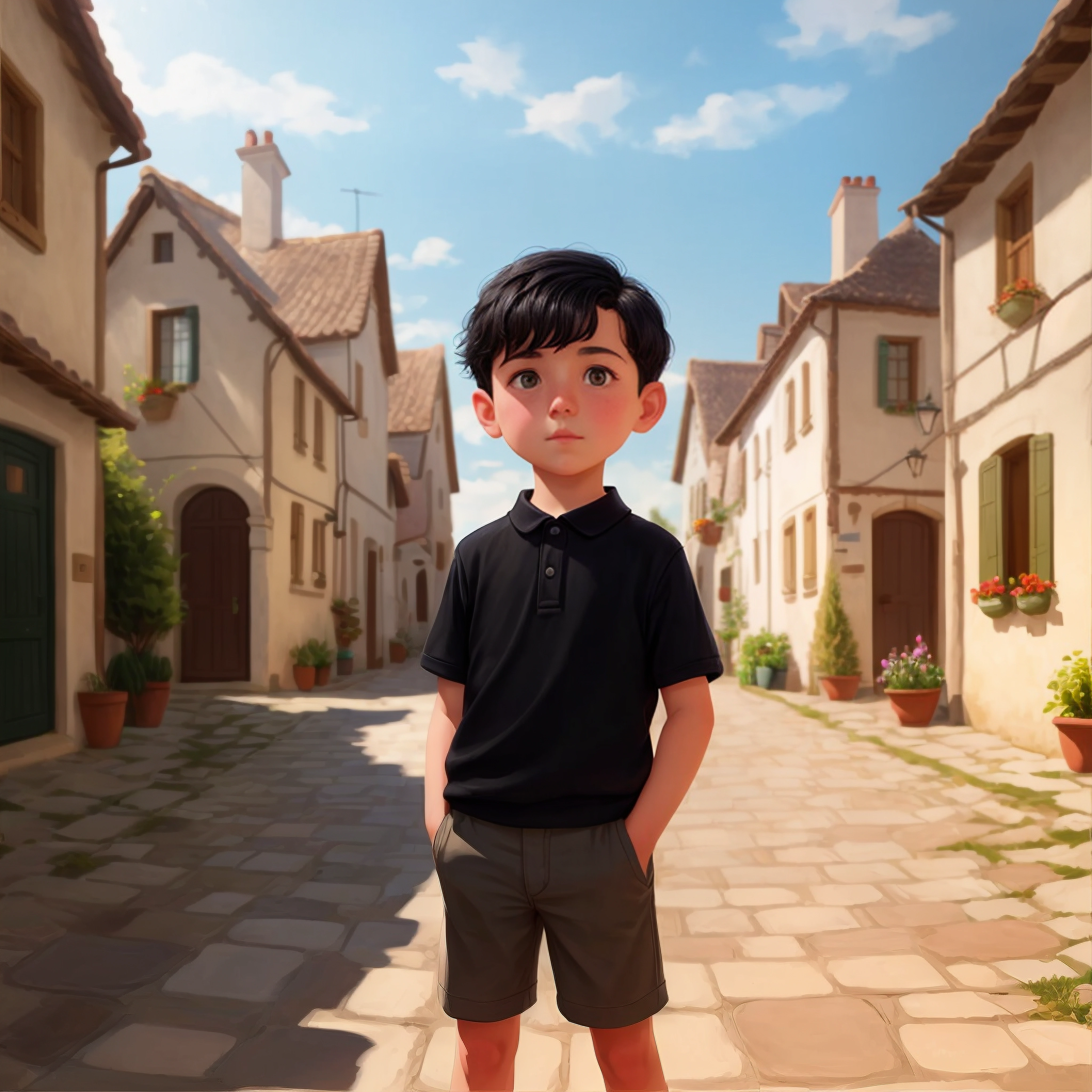
A boy named nobody is continuously asked his name from people and animals using rhymes. Until a girl in a red dress understands bc her name is someone
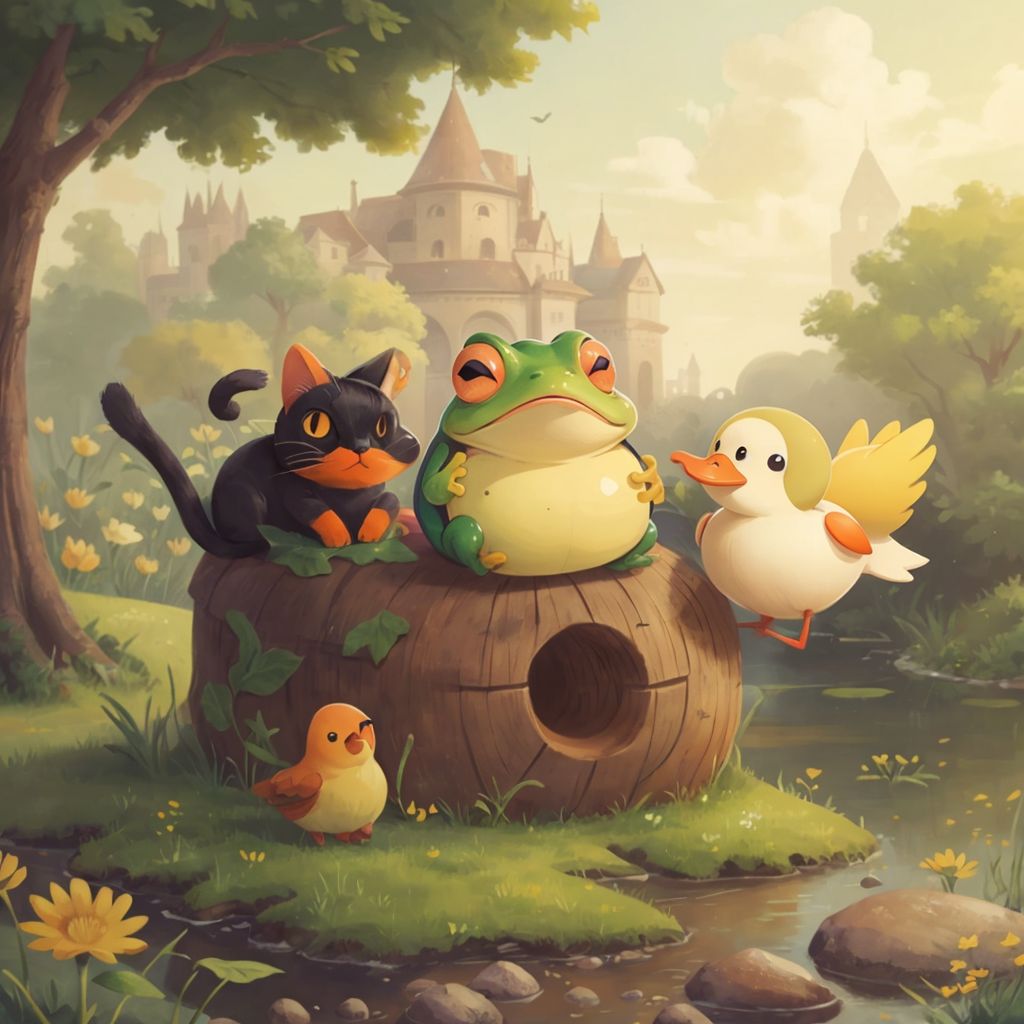
**The Great Treasure Hunt** In a peaceful meadow lived three friends: Mimi the playful cat, Lulu the curious frog, and Didi the cheerful duck. One day near their favorite pond, Mimi found a weathered map. “It’s a treasure map!” she exclaimed. Excited, they decided to follow it. The map led them deep into the forest, where they faced challenges. First, they cleared a thorny bush blocking a cave entrance, with Mimi skillfully swiping the thorns away. Inside, glowing crystals lit their way until they reached a wide chasm. “We’ll build a bridge!” suggested Didi. Together, they stacked rocks, with Lulu positioning the heaviest ones. Soon, they crossed safely. At the cave's end, they found a chest. Expecting gold, they opened it to reveal an old book filled with stories and poems about friendship and adventures. “This isn’t treasure,” Lulu said. “Maybe it’s better,” Mimi replied. Didi smiled. “The real treasure was the journey—and our memories.” The friends returned home with the book, reading its stories daily and cherishing their adventure and their friendship. They learned the best treasures are found in the bonds they share.
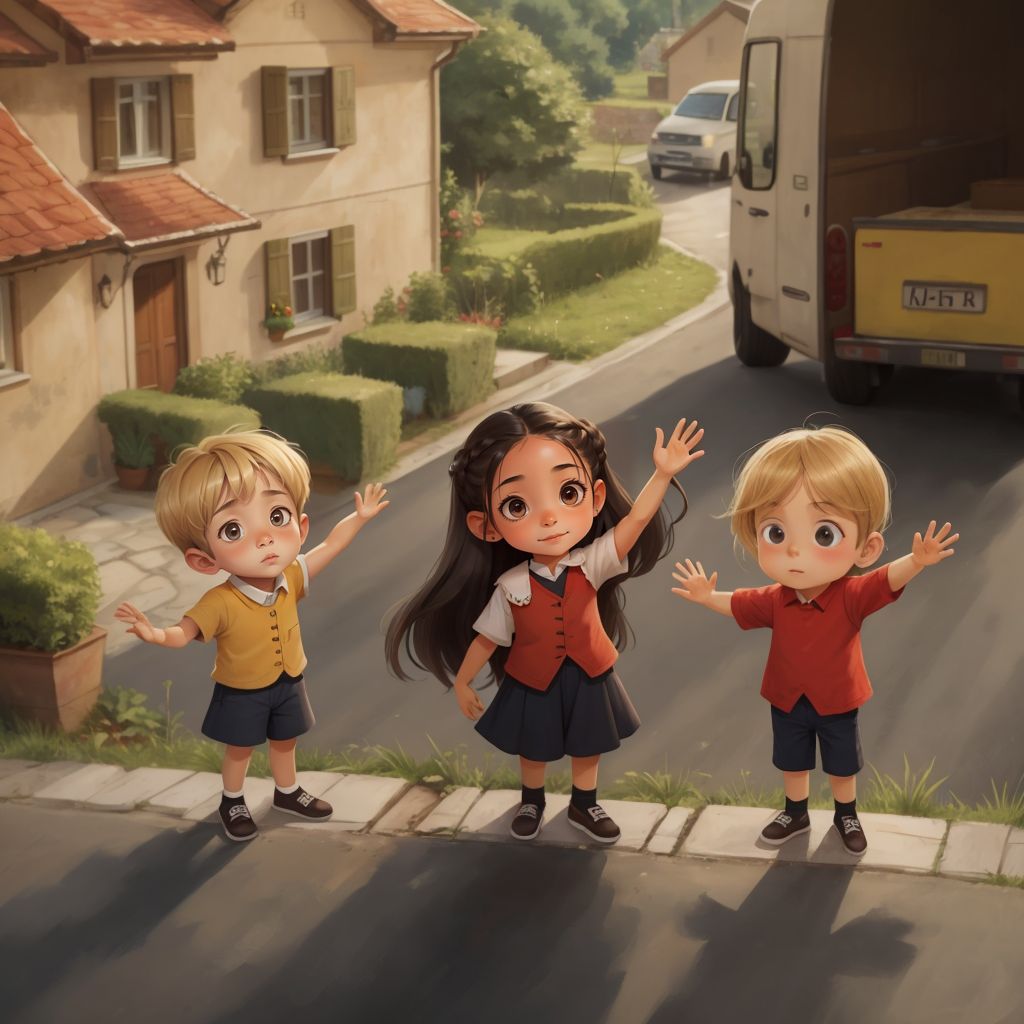
In "Respect: The Magic Word," children will follow the adventures of bera and sena, a brother and sıster who learn about the importance of respect in their daily lives. Through a series of fun and heartwarming stories, bera and sena discover how being respectful can make their world a better place. From listening to their parents and teachers to showing kindness to their friends and neighbors, they find out that respect is the key to happiness and harmony. This beautifully illustrated book is perfect for children aged 7-8, teaching them the value of respect in an engaging and relatable way
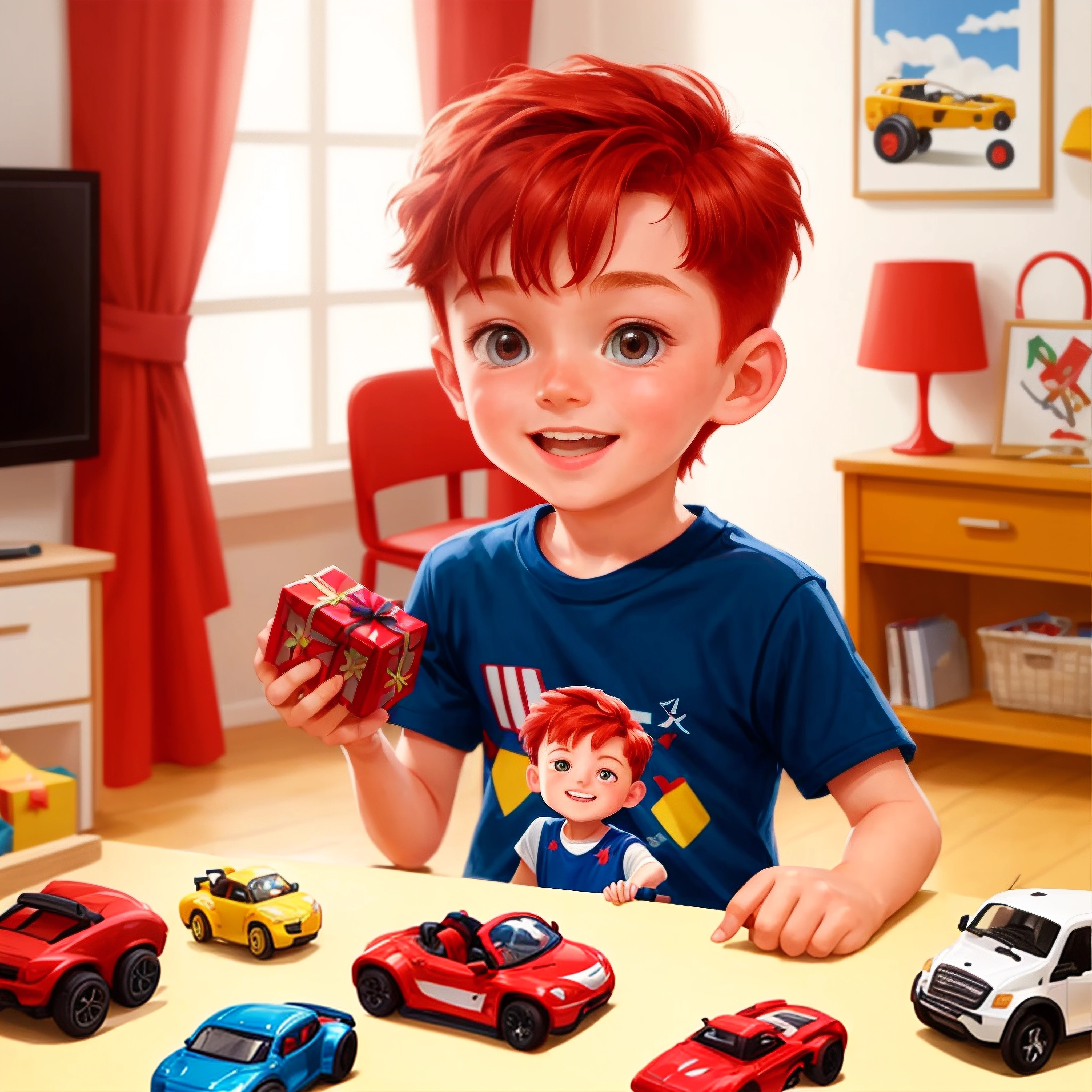
Bajka opowiada o chłopcu o imieniu Stanisław, który otrzymał na gwiazdkę nowoczesny zdalnie sterowany samochodzik. Jego kolega, Andrzej, także dostał podobną zabawkę, ale bez zdalnego sterowania. Andrzej, zazdroszcząc uwagi kolegów, postanawia zniszczyć samochodzik Stasia podczas urodzinowego przyjęcia. Po zepsuciu zabawki Stasia, wszyscy zaczynają bawić się samochodzikiem Andrzeja, co sprawia, że Stanisław płacze. Andrzej, zauważając smutek kolegi, zdaje sobie sprawę z błędu i oferuje Stasiowi odkupienie jego zabawki oraz podarowanie swojego modelu. Stanisław, po przemyśleniach, wybacza Andrzejowi, a obaj chłopcy stają się przyjaciółmi, zrozumiejąc, że wartość osoby nie zależy od posiadanych rzeczy. Bajka przekazuje morał o szacunku, żalu za popełnione błędy oraz dawaniu drugiej szansy.

Once upon a time, in a village nestled at the foot of a great mountain named 山·, there lived two siblings: 火 (which means "fire") and 水 (which means "water"). 火 was full of energy and always rushing into things, while 水 was calm, patient, and thoughtful. One summer, the village faced a terrible drought. The rivers dried up, the crops turned brown, and the villagers didn’t know what to do. 火, with his fiery spirit, said, “I’ll climb 山 and find a way to fix this!” 水, always the voice of reason, said, “I’ll come with you. We’ll solve this together.” As they climbed the mountain, the air grew warmer, and the ground rumbled softly. At the top, they found a glowing crater filled with fiery embers. 火 picked up a burning rock and said, “Look! The mountain’s fire! Maybe we can use it to help the village!” But 水 shook her head. “Fire alone won’t solve everything. We need water too.” Suddenly, the ground shook, and the mountain began to rumble. 火 dropped the rock, and 水 closed her eyes, whispering, “Please, 山, help us.” To their surprise, the mountain listened. A cool spring bubbled up from the ground, calming the rumbling and sending fresh water down the mountain. The water flowed into the village, filling the rivers and bringing life back to the plants. The villagers cheered, and 火 realized that his fiery energy worked best when balanced with 水’s calm wisdom. Together, they had helped the mountain and saved the village.
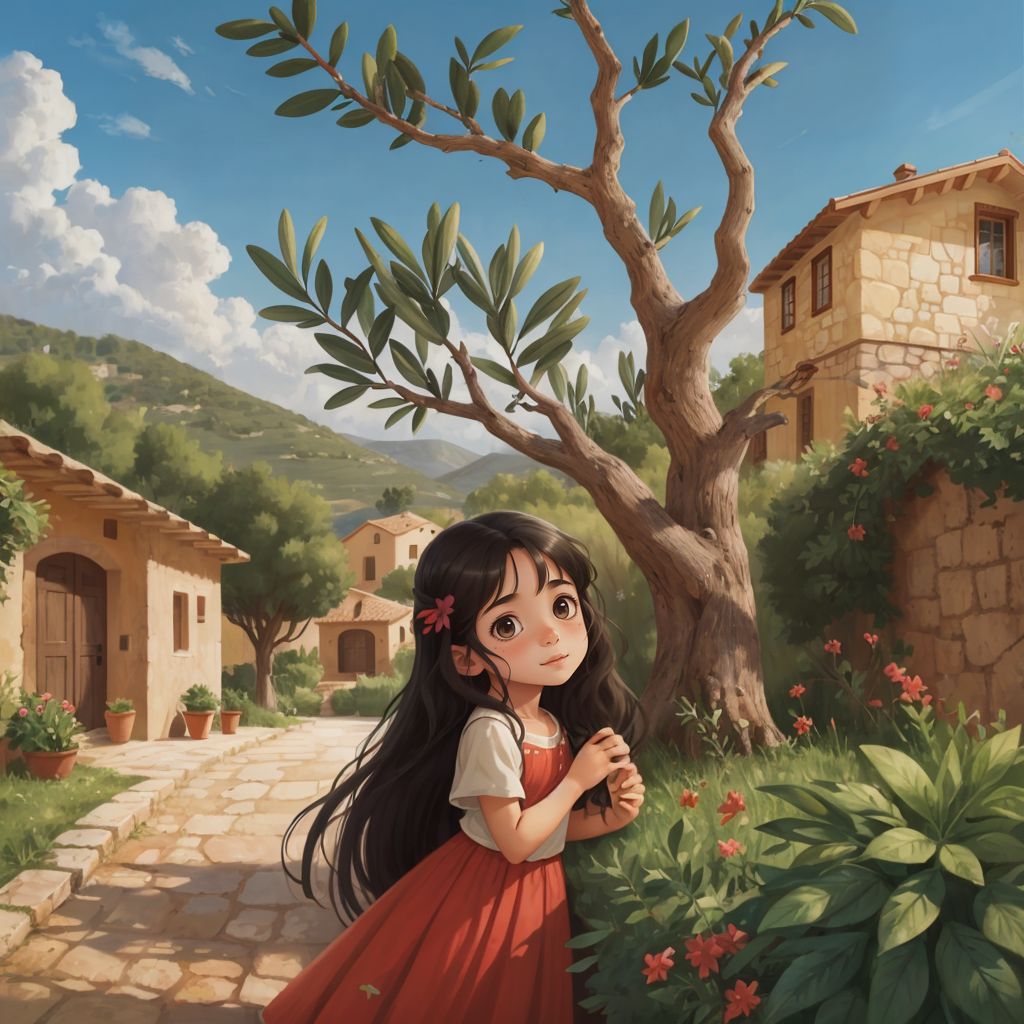
Mira loved the olive tree. It stood tall and strong in front of their home in the small village on the hill, in Palestine's West Bank. She and her brother Omar played under its branches every afternoon, challenging each other to races and playing Gulla or Ghummedah.
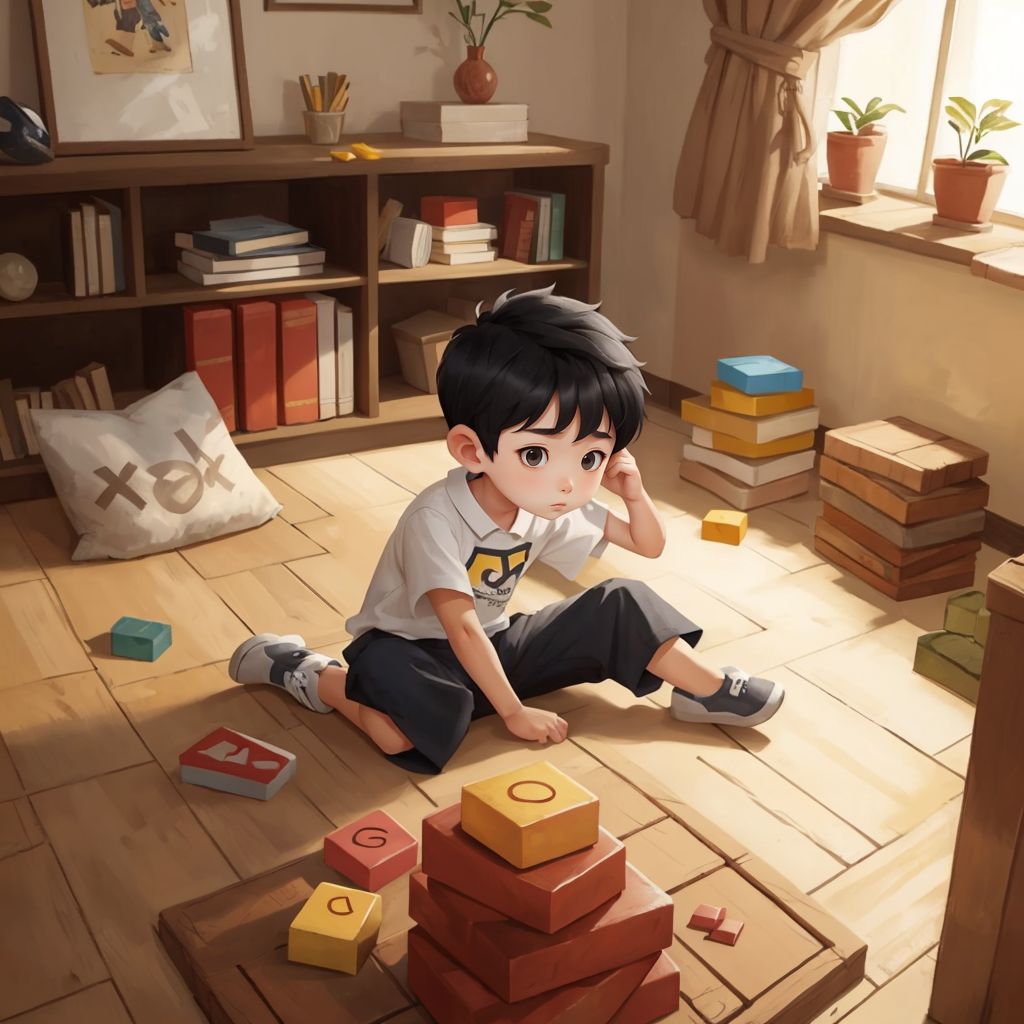
Page 1: The main character’s sibling knocks over a tower they built, and the child feels a rush of anger. Page 2: The child shouts and stomps, but it doesn’t make the anger go away. Page 3: The child’s parent notices and asks what’s wrong, explaining that feeling angry is normal. Page 4: The parent teaches the child to take deep breaths and count to five when angry. Page 5: The child tries this, and the anger slowly goes away. Page 6: The child rebuilds the tower with their sibling, feeling proud for handling their anger calmly.
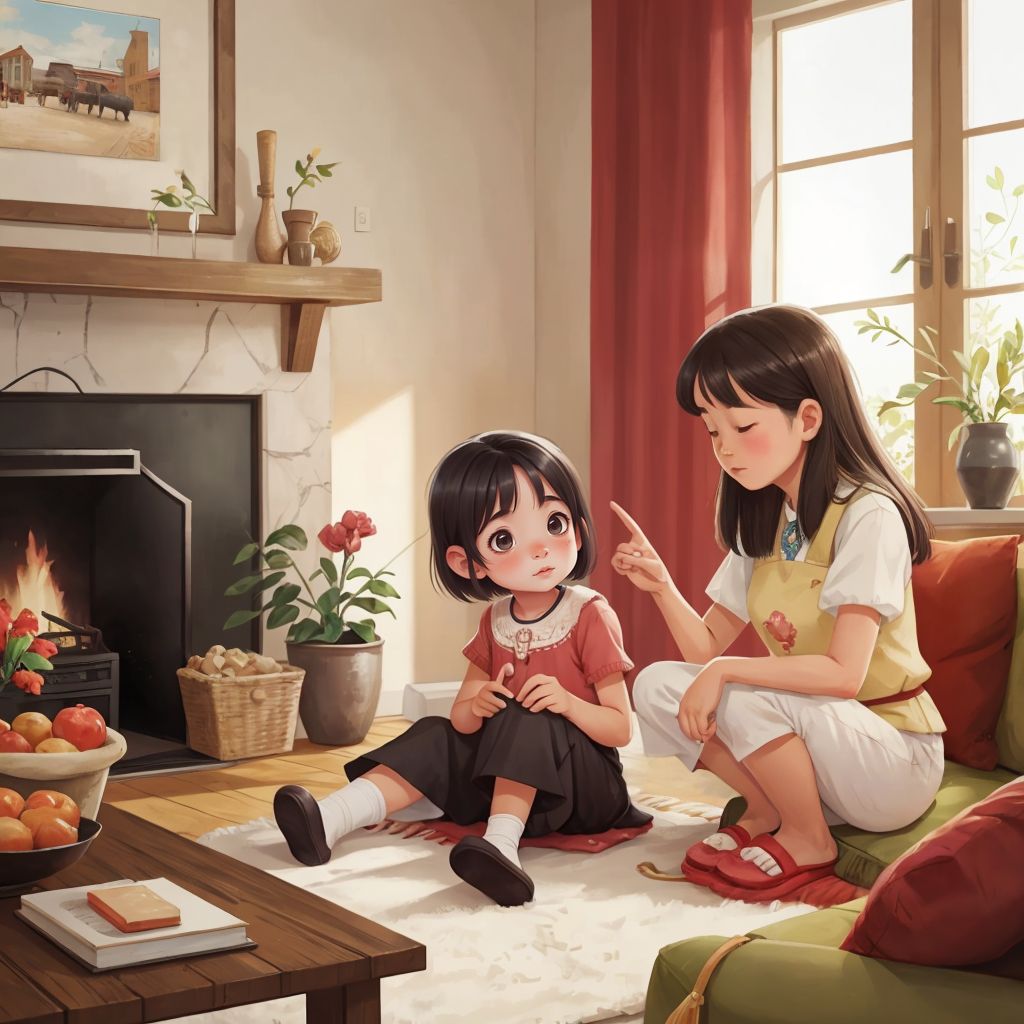
Mia's grandmother asks her about her favorite subject in school, and Mia humorously replies that it's recess. When asked if all children play together, Mia recalls Bruno, a boy who sat alone during recess. The next day, Mia talks to Bruno and learns that he feels left out because of his food allergies. Realizing this, Mia asks the teacher to educate the class about food allergies. The students become more aware and make sure that Bruno and others with allergies can safely participate in class events. Mia is proud, and her grandmother explains to Mia’s brother Luka that empathy is understanding and caring for others. From then on, the children help each other and grow more connected by caring about each other's feelings and needs.
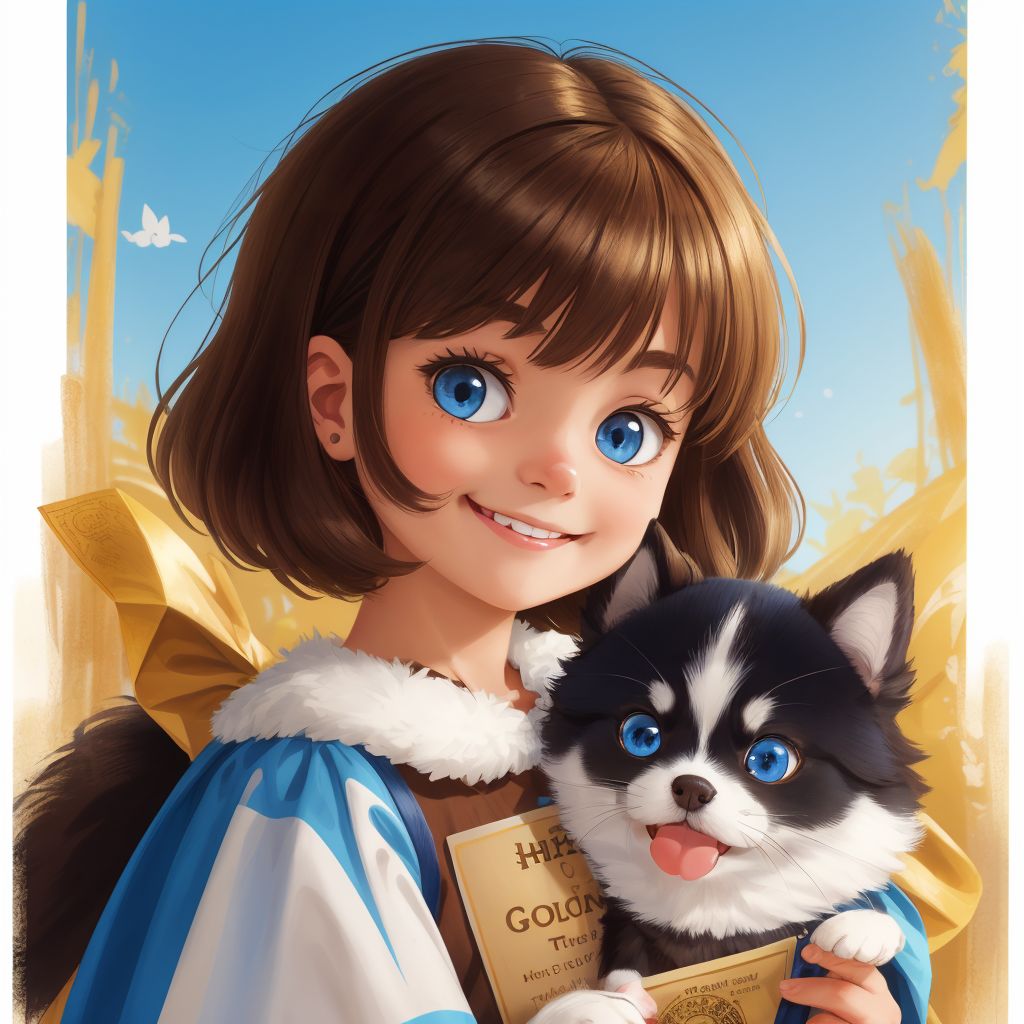
Sweet girl Linneya visited the magic circus for the first time

Daddy teaches little Cooper about a bad and learning to accept the bad days because good days will come
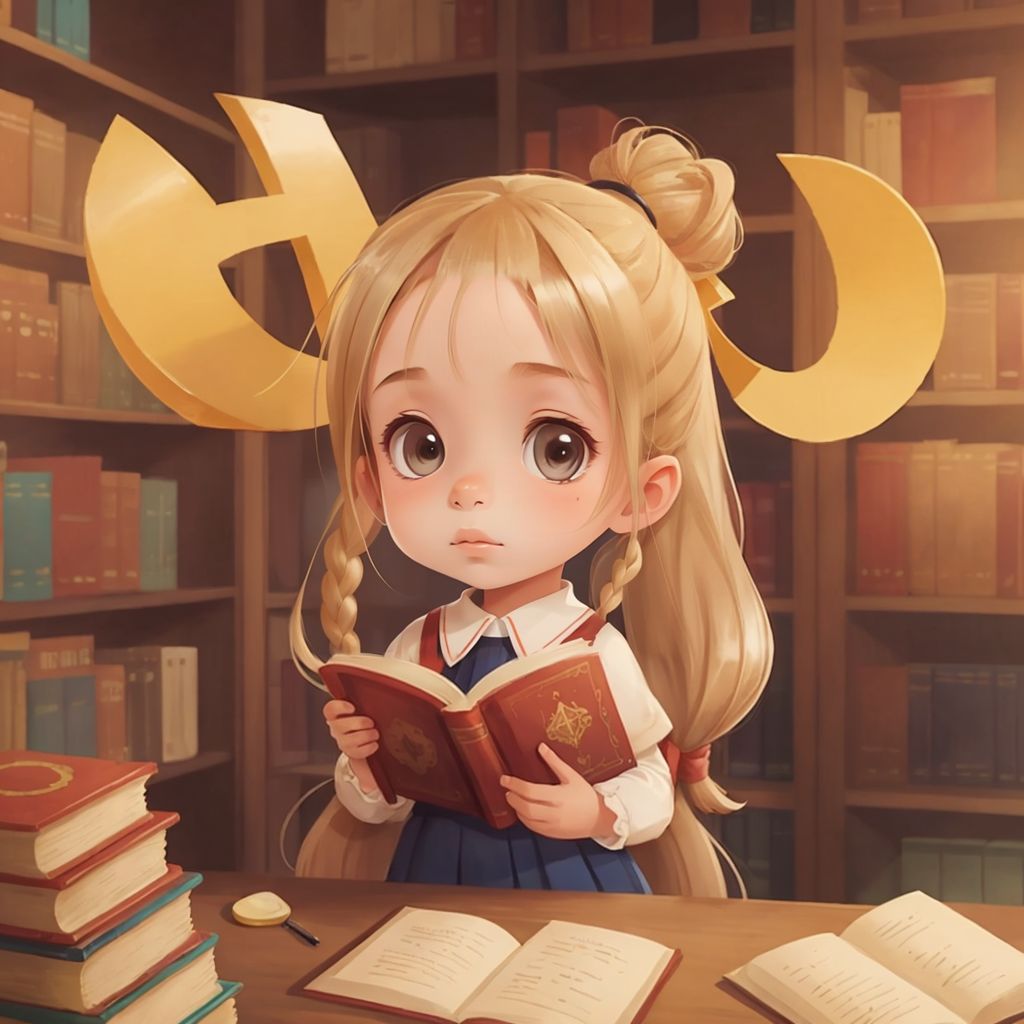
Makena and Cyrus learn their numbers. Each number plays with Makena and Cyrus in a variety of ways. Numbers 1-10.
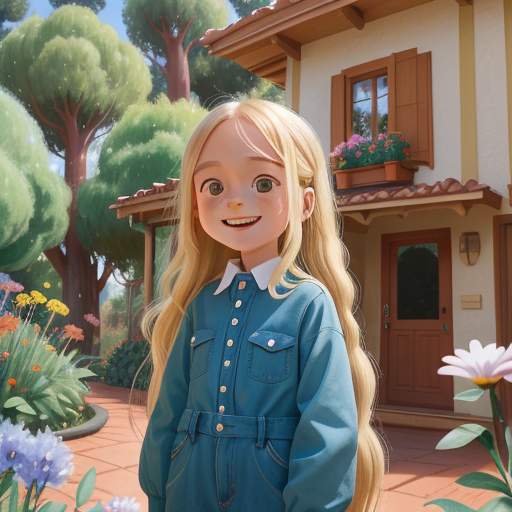
Join Elina and Chloé on a magical journey in 'Enchanting Adventures: Elina and Chloé's Journey in Australia.' Born in the bustling city of Sydney, these two sisters explore the wonders of their new home in the Mornington Peninsula, Melbourne. From pink sand beaches and playful encounters with unique Australian wildlife to learning Aussie greetings and enjoying Vegemite on toast, the girls embark on a delightful adventure filled with laughter, new friendships, and the joy of discovery. This enchanting tale, perfect for children aged 3 to 8, is a celebration of sisterly bonds and the magical moments that make Australia a land of wonder and warmth.
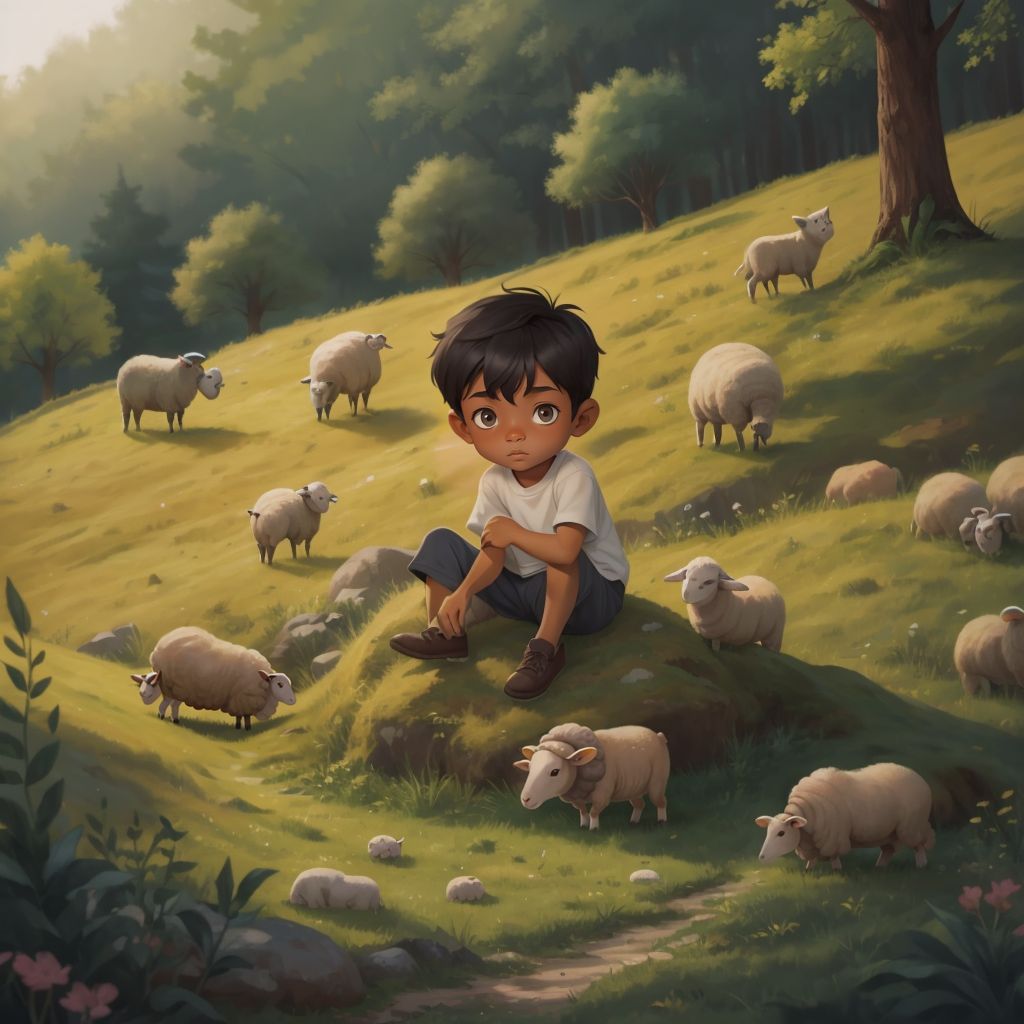
Once upon a sun-dappled hillside, there lived a shepherd boy. His days were spent tending to his master’s flock of sheep in a quiet corner of the forest. Now, this job might sound idyllic—green meadows, fluffy sheep, and all—but it had its moments of monotony. The shepherd boy’s master, however, had given him a stern warning: Beware of the wolves. “If a wolf attacks,” the master said, “run to the village and cry for help.” And so, our shepherd boy went about his days, occasionally yawning as the sheep grazed. But mischief stirred within him. One day, he decided to play a prank. He ran to the village, shouting, “Wolf! Wolf!” The villagers dropped everything and rushed to his aid, only to find him doubled over with laughter. It was all a joke. The boy repeated this trick a few times, and the villagers, though annoyed, forgave him. But then, when a real wolf appeared, fangs bared and hungry eyes fixed on the sheep, the boy cried out again: “Wolf! Wolf!” This time, the villagers hesitated. “He can’t fool us twice!” they said, ignoring his desperate pleas. Tragically, many sheep fell victim to the wolf. Moral of the Story: Be honest in your words and deeds.